
 Facebook
 X
 Pinterest
 Copy Link
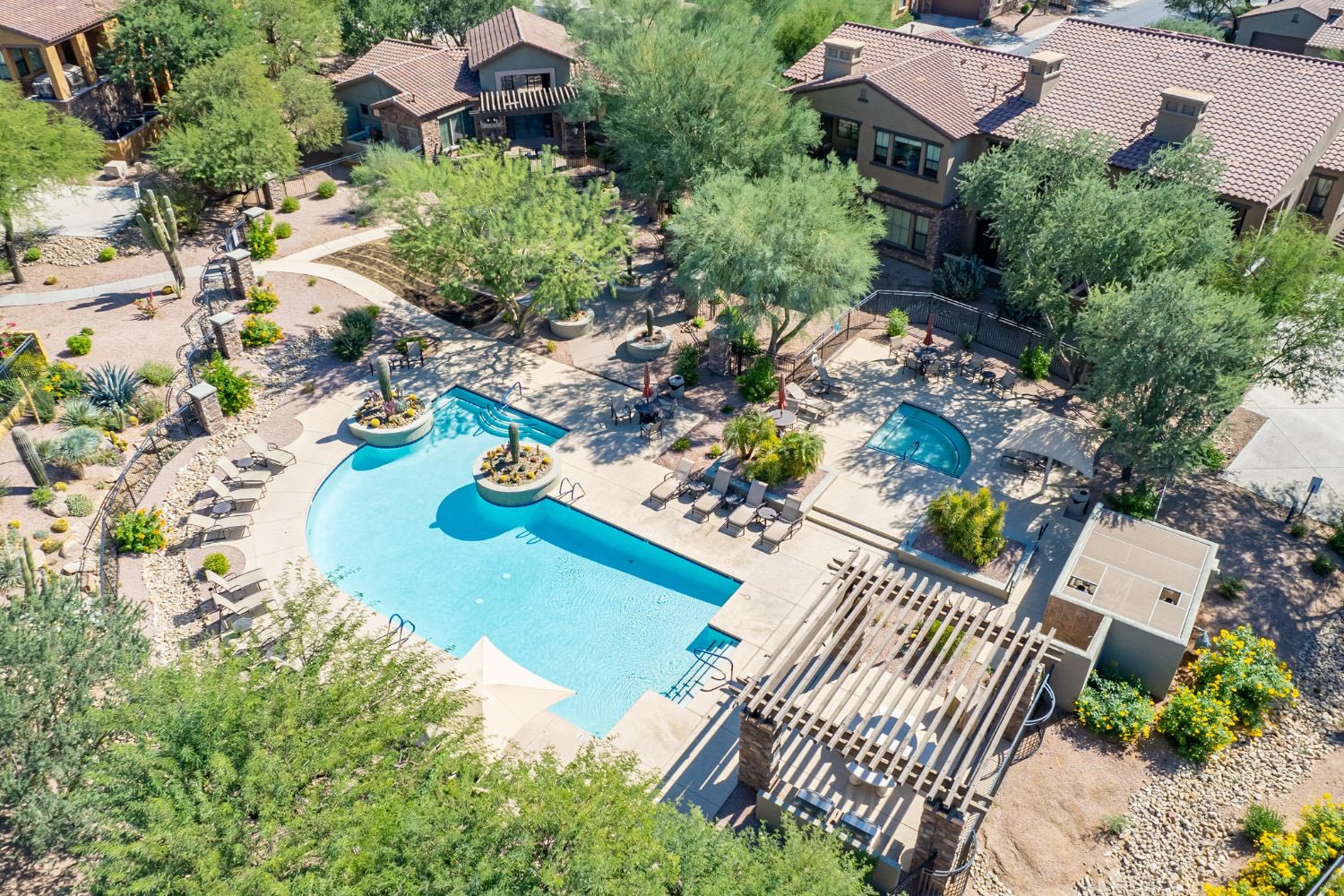
“Is it a 55+ community?” is one of the first questions I hear from buyers looking at Arizona golf communities. It’s a great question, and the honest answer usually leads to a few more.
A 55+ label tells you something about who lives in a community. It doesn’t tell you how the community feels, what it costs to own there, or what the rules say about family, guests and rentals. Those details matter just as much as the age requirement.
I’m Monica Condomitti, a Luxury Real Estate Advisor with MC Luxury Real Estate at Coldwell Banker. I’ve lived in Rio Verde since 2021, and I’ve shown and sold homes in Arizona golf communities throughout my career. Here’s what 55+ actually means, and what I’d want you to understand before you choose one.
What Does 55+ Mean Under Federal Law?
In most cases, the Fair Housing Act prevents communities from turning away families with children. The Housing for Older Persons Act of 1995 created an exception for communities designed for older adults.
To qualify as 55+ housing under the rules HUD enforces, a community must meet three requirements:
- The 80 percent rule. At least 80 percent of the occupied homes must have at least one resident who is 55 or older.
- Published intent. The community must publish and follow policies showing it intends to operate as housing for people 55 and older.
- Age verification. The community must be able to verify the ages of its residents through reliable surveys and affidavits.
You can read the federal requirements in HUD’s regulations, 24 CFR Part 100, Subpart E.
What the 80/20 Rule Does and Doesn’t Mean
The 80/20 rule is often misunderstood. The federal law sets a minimum: at least 80 percent of occupied homes must include someone 55 or older. It doesn’t require a community to welcome younger residents in the other 20 percent.
Each community decides through its own governing documents who may live there, and many are stricter than the federal minimum. Some require every household to include someone 55 or older. Some set a minimum age for other residents. Some don’t allow children to live there full-time.
So the 80/20 rule never answers the question “Can I live here?” by itself. The community’s own documents do.
55+ Doesn’t Mean Retired, and It Doesn’t Mean Assisted Living
These are two of the biggest misconceptions I hear.
55+ doesn’t require retirement. Many residents still work, run businesses, consult or travel for work. Others are fully retired and love having time for golf, pickleball, art classes or simply enjoying the view. The age requirement is about the household, not the job.
55+ isn’t assisted living. A 55+ community is regular homeownership. You own your home, you live independently, and there’s no care, meal plan or medical staff built in. Independent living, assisted living and memory care are different types of housing with different services. I explained the range of options in Helping Your Parents Decide Where to Live Next.
Younger Spouses and Partners
This is one of the most common questions, and the answer depends on the community.
Under the federal rule, one resident who is 55 or older can qualify the household. Whether a younger spouse or partner may live there, and whether there is a minimum age for them, is set by each community’s governing documents.
If your spouse or partner is younger than 55, ask for the association’s occupancy rules in writing before you make an offer, not after.
Adult Children Living With You
Life happens. An adult son or daughter may need a place to stay between jobs, after a move or during a family change.
Some communities allow adult children under 55 to live with a qualifying parent. Others limit it or require approval. Many have rules about how long someone can stay before they’re considered a resident instead of a guest. If this could be part of your future, read the occupancy section of the documents carefully.
When the Grandchildren Visit
Yes, grandchildren can visit 55+ communities. Family visits are part of daily life in all of the communities I work in.
What differs is the detail: how many days a guest under a certain age can stay, whether guests need to be registered, and how younger guests can use the pool, fitness center or golf course. If you expect long holiday visits or summer stays, ask about guest limits and amenity rules up front.
Inheritance and Estate Planning
This is a question families sometimes forget to ask.
Anyone can inherit a home in a 55+ community. Whether that person can live in it is a separate question. If an heir doesn’t meet the community’s age requirements, they may not be able to move in, and their options may be renting the home, if rentals are allowed, or selling it.
If you’re buying a home you hope to pass on, it’s worth talking with your estate planning attorney about the community’s rules. I shared more about these decisions in Before You Sell the Family Home, Understand Your Options.
Rentals and Seasonal Use
Many buyers plan to spend part of the year in Arizona, and some hope to rent the home while they’re away.
Communities handle rentals very differently. Some set minimum lease lengths or limit how many leases you can sign in a year. Some require renters to meet the age requirement. Some require registration with the association. If renting matters to your plans, confirm the current rules before you buy, and remember that rules can change over time.
HOA Rules and Restrictions
Every community has its own homeowners association with its own CC&Rs, bylaws and rules. Along with age and occupancy, they may cover:
- rentals and leasing
- guests and visitors
- pets
- parking, including RVs, golf carts and boats
- exterior paint, landscaping and changes to the home
- use of amenities and community spaces
Once you’re under contract, the association’s documents are delivered to you as the buyer. Read them carefully. They’re the clearest picture you’ll get of how a community actually works day to day.
Golf Membership and Ownership Costs
In golf communities, buying a home and joining the golf club are usually separate decisions with separate costs.
When you compare homes, look at:
- HOA dues and what they cover
- golf or club membership costs, if you plan to join
- any special assessments, planned or recent
- property taxes, insurance and utilities
- maintenance and upkeep of the home
I don’t quote membership fees or types in my articles, because they change and every club handles them differently. The best source for current details is the club itself. I covered the full picture in The Price Is Only Part of the Purchase.
The Lifestyle Advantages
For many people, choosing a 55+ community is about joining a lifestyle, not giving one up. Residents often tell me what they love most:
- Built-in community. Clubs, classes and social events make it easy to meet people, especially after a move to Arizona.
- Amenities close to home. Golf, pickleball, fitness, pools, dining and walking paths are steps away.
- Shared rhythm. Neighbors are often at a similar stage of life, with similar schedules and interests.
- Lock-and-leave ease. Many homes and communities make it simpler to travel or spend part of the year somewhere else.
- A quieter pace. Many people appreciate a calmer, more relaxed atmosphere.
The Trade-Offs to Consider
Every choice has trade-offs, and it’s better to think them through before you buy.
- Fewer buyers when you sell. Age requirements narrow the pool of potential buyers, which can affect how long a home takes to sell.
- Family living arrangements. Long-term stays by younger family members may be limited.
- More rules. HOA rules can be more detailed than in a typical neighborhood.
- Less age variety. If you love living among neighbors of all ages, an all-ages community may suit you better.
- Ongoing costs. Amenities are part of the appeal, and they come with dues and fees.
None of these are reasons to avoid a 55+ community. They’re simply worth weighing against what you’ll gain.
How Rio Verde Country Club, Tonto Verde and Trilogy at Verde River Compare
In the Rio Verde area, three golf communities sit side by side, and their age requirements aren’t the same.
- Rio Verde Country Club is an established 55+ active adult community. It isn’t gated.
- Tonto Verde is an established, gated 55+ golf community.
- Trilogy at Verde River is a gated community with age-qualified 55+ neighborhoods and areas open to buyers of all ages. The entire community is not exclusively 55+.
At Trilogy especially, confirm whether the specific home you’re considering is in an age-qualified neighborhood. Two homes a short walk apart can follow different rules.
In every community, the details that matter most, like minimum ages for other residents, guest stays and rental rules, come from that community’s own governing documents. Community-wide rules and the rules for a particular neighborhood or property aren’t always the same, so ask the association for the documents that apply to the exact home you’re considering.
I compared golf, amenities, homes and HOAs in all three in Rio Verde Country Club vs. Tonto Verde vs. Trilogy at Verde River: Which Fits Your Lifestyle?
Your 55+ Buyer Checklist
Before you make an offer, ask:
- Is this community, and this specific neighborhood, age-restricted, or only marketed to active adults?
- Who qualifies as a resident, and is there a minimum age for a spouse, partner or other household members?
- How long can guests, including grandchildren, stay, and how can they use the amenities?
- Can an adult child live with me, and under what conditions?
- What happens if an heir doesn’t meet the age requirement?
- Are rentals allowed, and what are the rules for lease length and renters?
- What do the HOA dues cover, and are there any special assessments?
- Is golf membership separate, and what are the current options?
- How does the community feel in summer, when many seasonal residents are away?
- Which amenities will I actually use every week?
My Perspective
Living in Rio Verde, I see every day that a 55+ community is full of energy, friendships and interests. Some neighbors work full-time, some travel half the year, and some are on the golf course every morning. What they have in common is that they chose the lifestyle.
My advice is to look past the age label. Visit at different times of day, see the clubhouse and amenities, read the documents, and picture an ordinary week. Some clubs are private, so I’m happy to help arrange a visit. In my experience, the right fit usually becomes clear once you understand how a community actually works.
Frequently Asked Questions
What does 55+ mean in a community?
It means the community operates as housing for older persons under federal law. At least 80 percent of occupied homes must have at least one resident 55 or older, and the community must publish its intent and verify residents’ ages. Each community’s own documents set its specific rules.
Do both spouses have to be 55 or older?
Not always. Under federal law, one resident 55 or older can qualify a household, but each community decides whether younger spouses or partners may live there and whether there is a minimum age. Check the community’s occupancy rules.
Does the 80/20 rule mean 20 percent of residents can be younger than 55?
No. The 80/20 rule sets a federal minimum for how many homes must include someone 55 or older. It doesn’t require a community to allow younger residents. Many communities have stricter rules.
Can grandchildren visit a 55+ community?
Yes. Grandchildren and other younger guests can visit. Communities usually set limits on how long younger guests can stay and how they can use amenities, so ask about the guest rules.
Do you have to be retired to live in a 55+ community?
No. Many residents in 55+ communities still work, run businesses or travel for work. The age requirement is about the household, not employment.
Is a 55+ community the same as assisted living?
No. A 55+ community is independent homeownership with no care services included. Assisted living is a different type of housing that includes personal care support.
Can I rent out my home in a 55+ community?
It depends on the community. Many have rules on lease length, how often a home can be rented and whether renters must meet the age requirement. Confirm the current rules before you buy.
What happens if I inherit a home in a 55+ community and I’m under 55?
You can inherit and own the home, but you may not be able to live in it if you don’t meet the community’s age requirements. Depending on the rules, you may be able to rent it or choose to sell it. An estate planning attorney can help with your specific situation.
Are Rio Verde Country Club, Tonto Verde and Trilogy at Verde River all 55+?
Rio Verde Country Club and Tonto Verde are 55+ communities. Trilogy at Verde River includes age-qualified 55+ neighborhoods and areas open to all ages, so confirm the status of the specific home you’re considering.
The Monica Method: No Pressure. More Clarity. Confident Decisions.
Choosing a community isn’t simply about qualifying by age. It’s about finding the lifestyle, amenities, financial commitments and environment that fit how you want to live. That’s the heart of the Monica Method, which helps you Find Your Fit.
If you’re exploring Arizona golf communities, I’d love to help you through a personalized Arizona Golf Community Discovery Experience. We’ll talk through what matters most to you, compare communities side by side, and tour the ones that fit, with no pressure, so you can make a confident decision.
Whether you’re drawn to Rio Verde, Tonto Verde, Trilogy at Verde River, Fountain Hills, North Scottsdale or Troon North, your next adventure starts with one conversation.
Monica Condomitti
Luxury Real Estate Advisor
MC Luxury Real Estate at Coldwell Banker
Rio Verde / North Scottsdale, Arizona
www.MonicaCondomitti.com
480-822-9553
