
 Facebook
 X
 Pinterest
 Copy Link
When people tell me they’re thinking about moving to Arizona, one question comes up almost every time.
What about the water?
It’s a fair question, and a recent headline didn’t make it any easier. Arizona’s Department of Water Resources described a key part of the state’s water system as being “thrown into reverse.”
That sounds alarming. So I read what the state actually said. Here’s what changed, what didn’t, and the questions I’d want you to ask about any specific home you’re considering.
I’m Monica Condomitti, a Luxury Real Estate Advisor with MC Luxury Real Estate at Coldwell Banker, serving Rio Verde and North Scottsdale, Arizona.
What Is the Arizona Water Bank?
The Arizona Water Banking Authority was created in 1996. For years, its job was to take Colorado River water that Arizona was entitled to but wasn’t using, deliver it through the Central Arizona Project (CAP) canal system, and store it underground.
That stored water earns what are called long-term storage credits. During a shortage, those credits can be recovered, meaning the water is pumped back up, to provide backup supplies for certain Arizona water users. The water industry calls this “firming.”
In other words, Arizona has been saving water for exactly the kind of dry years it’s now facing.
What Changed
In an article published October 1, 2026, the Arizona Department of Water Resources explained that the Water Bank is entering a new phase.
- There’s much less “extra” Colorado River water available to store, and continued shortages on the river are more likely.
- So instead of mainly storing water, the Water Bank is now focusing on making its stored credits available to help offset shortages.
- In July, the Water Bank’s commission extended its current approach to helping CAP water users through 2027, which the state expects to be the first year shortages affect many of CAP’s city and industrial water users.
- Through 2024, the Water Bank had built up more than 4.4 million acre-feet of storage credits, including about 3.8 million acre-feet for use in Arizona.
That’s the “reverse” in the headline. After decades of saving, the Water Bank is starting to use what it saved.
What It Doesn’t Mean
This is the part I want to be really clear about.
The change isn’t a new rule for households. It isn’t a statement that any particular community is losing its water. And it isn’t a sign that the system failed. It’s the Water Bank doing what it was built to do.
How a shortage affects any one home depends on who provides that home’s water and where that provider’s water comes from. Those arrangements differ from city to city, and even from neighborhood to neighborhood.
Scottsdale is one example. The City of Scottsdale says that in 2026 the Colorado River is operating under a “Tier 1” shortage, that its own municipal supply isn’t reduced as a result, and that there are no mandatory water-use restrictions on its residents or businesses because of it. The city also notes that the rules governing the river expire at the end of 2026, and that future changes could affect the Colorado River water available to Arizona. You can read Scottsdale’s Colorado River update for yourself.
That’s Scottsdale’s water system, though. It doesn’t tell you anything about a home served by a different provider.
A Closer Look at the Rio Verde Area
Because I live in Rio Verde, I hear this water question often.
Rio Verde Country Club, Tonto Verde and Trilogy at Verde River are served by EPCOR, a private water company regulated by the Arizona Corporation Commission, through what EPCOR calls its Rio Verde water district.
The nearby Rio Verde Foothills is a different area with different water arrangements. Some homes there rely on private wells, and others have water hauled in, including from a water fill station EPCOR now operates for enrolled Foothills customers. That doesn’t make every home there a problem. But it’s exactly the kind of area where careful investigation of a property’s water source is essential before you buy.
My Read on It
If you were my client and asked whether this news should change your plans, I’d tell you it shouldn’t scare you off Arizona. It should make you a more careful buyer.
Water deserves serious attention here. It doesn’t deserve sensational headlines. Arizona has been planning for shortages for decades, and this change is part of that plan working. But because water is so local, the right questions are always about the specific home, not the whole state.
That’s how I approach it with my own clients. We don’t stop at the house. We look at what supports the house.
Questions I’d Ask About Any Arizona Home
When you’re seriously considering a property, these are the questions I’d want answered:
- Who provides the water? A city, a private water company, a shared well, a private well, or hauled water. Each comes with different considerations.
- Where does that provider’s water come from? Many providers draw from several sources, which can make a difference during a shortage.
- Is there a 100-year assured water supply? In Arizona’s Active Management Areas, which include parts of Maricopa County, developers generally must show a 100-year water supply before selling lots in a new subdivision. You can look up areas and providers on the Arizona Department of Water Resources’ Assured and Adequate Water Supply program page.
- If the home has a well, what do the records show? Ask for well records and any testing, and include them in your inspection period.
- What do water service and rates look like? Ask the provider, and the HOA if there is one, so you understand the ongoing cost.
These are questions I help clients work through as part of looking at a home, and they’re worth asking before you fall in love with the view.
Frequently Asked Questions
Is Arizona running out of water?
That’s an oversimplification. Arizona faces real long-term challenges on the Colorado River, and the state is planning for them. But water supplies vary a great deal by location and provider, so the more useful question is where a specific home’s water comes from.
Will the Water Bank change affect the water at my house?
It depends on your provider. The change is about how the state’s stored credits are used to help water users during shortages. It isn’t a new household restriction. Your water provider is the best source for how shortages affect your service.
How can I check the water supply for a home I’m considering?
Start by asking who provides the water. Then ask the provider about its sources, check the state’s Assured and Adequate Water Supply information for the area, and review any well records if the home has a well. I’m always happy to help you work through those questions.
Where This Information Comes From
The details in this article come from the Arizona Department of Water Resources article “The Arizona Water Banking Authority undergoes a change of direction” (published October 1, 2026), ADWR’s Assured and Adequate Water Supply program page, and the City of Scottsdale’s Colorado River update, all reviewed October 7, 2026. Water conditions and rules change, so always check the latest information from official sources and your water provider.
If you’re considering Rio Verde, Tonto Verde, Trilogy at Verde River, Fountain Hills, North Scottsdale or Troon North, I’d be glad to help you ask the right questions about any home you’re considering. I shared more about choosing a community in What Should Retirees Look for When Relocating to Arizona? And when you’re ready to talk, I’d be honored to be part of your next adventure.
Monica Condomitti
Luxury Real Estate Advisor
MC Luxury Real Estate at Coldwell Banker
Rio Verde / North Scottsdale, Arizona
www.MonicaCondomitti.com
480-822-9553
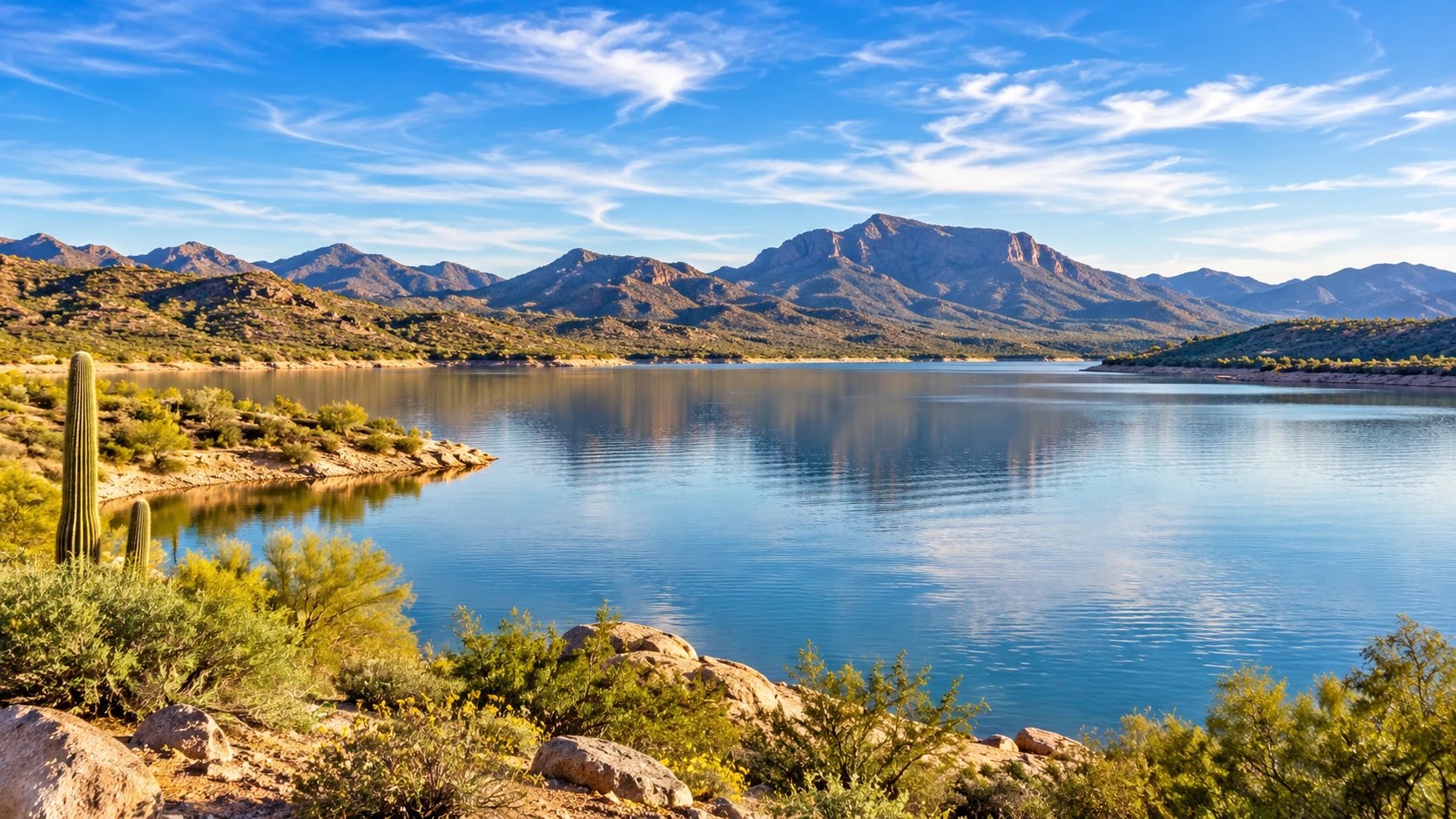
Featured image created with AI for illustrative purposes; it does not depict a specific property or community.
